

From sawmill to stable: How automation delivers premium wood shavings for animal bedding
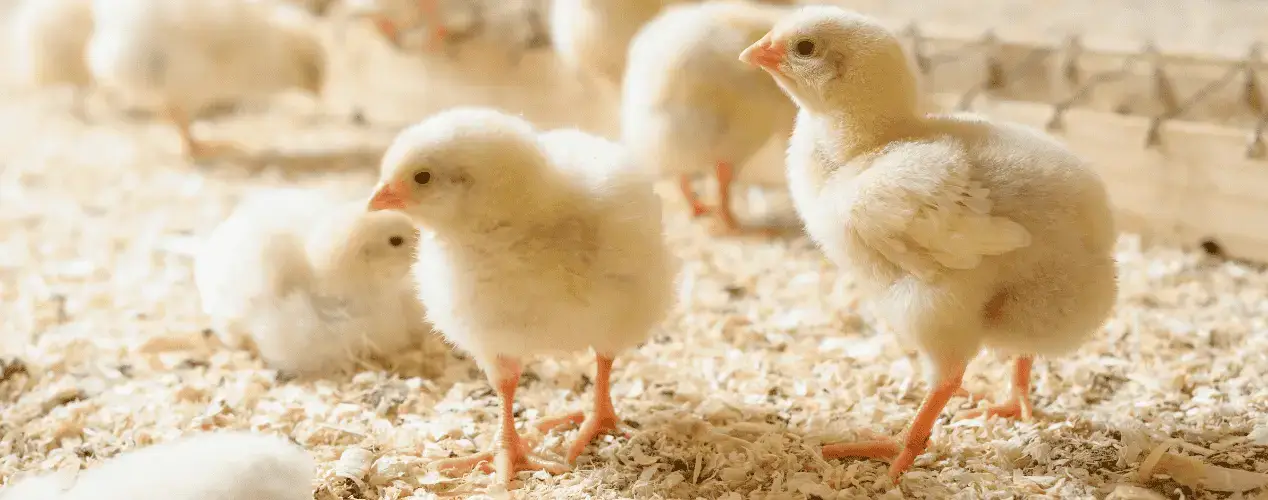
When it comes to animal bedding, not all wood shavings are created equally. From stables and dairy farms to backyard coops, end-users are demanding bedding that’s dust-free, uniform, and easy to handle—qualities that start at the source and are protected through every step of production.
As competition and quality standards rise, producers are turning to automation for screening, bagging, palletizing, and wrapping to deliver a consistently premium product from the sawmill all the way to the stable.
Screening—the foundation of quality
The journey to high-quality animal bedding begins with screening. Advanced automated screening systems efficiently remove dust, oversized chips, and other impurities, ensuring each batch of wood shavings is clean, consistent, and safe for animals. This dust reduction is not only a matter of product quality—it’s essential for animal respiratory health and overall comfort.
Here’s how automated screening makes a difference:
- Automated screens enhance uniformity and product value.
- Less dust means healthier animals and happier customers.
- Efficient screening reduces waste and improves yield from raw materials.
Efficient screening and right-sized bagging also help reduce waste, contributing to more sustainable operations.

Bagging—meeting every need
Once screened, shavings move to automated bagging lines. Flexibility is key: automation makes it easy to switch between different bag sizes, catering to both bulk buyers (like equestrian centers) and retail consumers. Automated bagging ensures each bag is filled to precise specifications, sealed for freshness, and easy for customers to transport and store. products.
Here’s how an automated packaging line makes a difference:
- Consistent bag weights and sizes reduce complaints and returns.
- On-demand bagging reduces inventory and keeps product fresh.
- Branding and product information can be applied clearly and reliably.
- Sustainable packaging options and optimized bag sizes help minimize waste.
Palletizing and wrapping—protecting product integrity
After bagging, automation takes over stacking and securing the product for storage and shipping. Automated palletizing creates stable, space-efficient loads, while stretch wrapping protects against moisture, dust, and handling damage in transit. The result: bags arrive clean and intact, ready for immediate use or display.
Here’s how automation makes a difference:
- Stable pallets reduce the risk of damage during handling and transport.
- Stretch wrapping preserves quality through variable weather and storage conditions, especially protecting the shavings from moisture and contamination.
- Retailers and distributors appreciate products that are easy to handle and keep their stores clean.

Efficiency, safety, and labor savings
Automation doesn’t just improve product quality—it transforms the entire production process, especially when labor is scarce or costly. Traditionally, wood shavings production relied on manual screening, bagging, and palletizing. These tasks are physically demanding, repetitive, and prone to human error, often resulting in fatigue, slower output, inconsistent product quality, and a higher risk of workplace injuries.
With manual processes, producers may struggle to keep up with demand during busy seasons, face difficulties in recruiting and retaining enough staff, and experience inconsistent results from batch to batch. Labor shortages can quickly lead to unpredictable production slowdowns or even missed orders, directly impacting customer satisfaction and business reputation. Additionally, manual work increases the risk of injuries related to lifting, repetitive motions, and exposure to dust—further straining teams and raising insurance costs.
Automated lines, on the other hand, are designed to maintain high throughput and deliver consistent results regardless of staffing fluctuations. By automating the most labor-intensive steps, producers can:
- Free up team members for higher-value tasks such as quality control, maintenance, or customer service.
- Reduce workplace injuries by minimizing heavy lifting and repetitive strain.
- Maintain steady production rates even during labor shortages or peak demand.
- Achieve predictable labor costs and simplify staffing needs, making operations more resilient and scalable.
- Ensure the delivery of a consistent, top-quality product with every order.
For many producers, the move from manual to automated wood shavings packaging is not just about keeping pace with competitors—it’s about future-proofing their business, improving team well-being, and ensuring every load meets today’s high standards with fewer hands required.

Ultimately, automation addresses both operational and market challenges at every stage, setting new benchmarks for quality and efficiency in animal bedding production. By embracing automated screening, bagging, palletizing, and wrapping, producers aren’t just making operations more efficient—they’re building a reputation for dust-free, easy-to-use bedding with consistent top quality that meets today’s highest standards.
Ready to see how automation can transform your wood shavings production?
Connect with us for a consultation or to explore our real-world success stories.
