

Revitalizing your operations: the power and benefits of retrofits and upgrades on packaging equipment
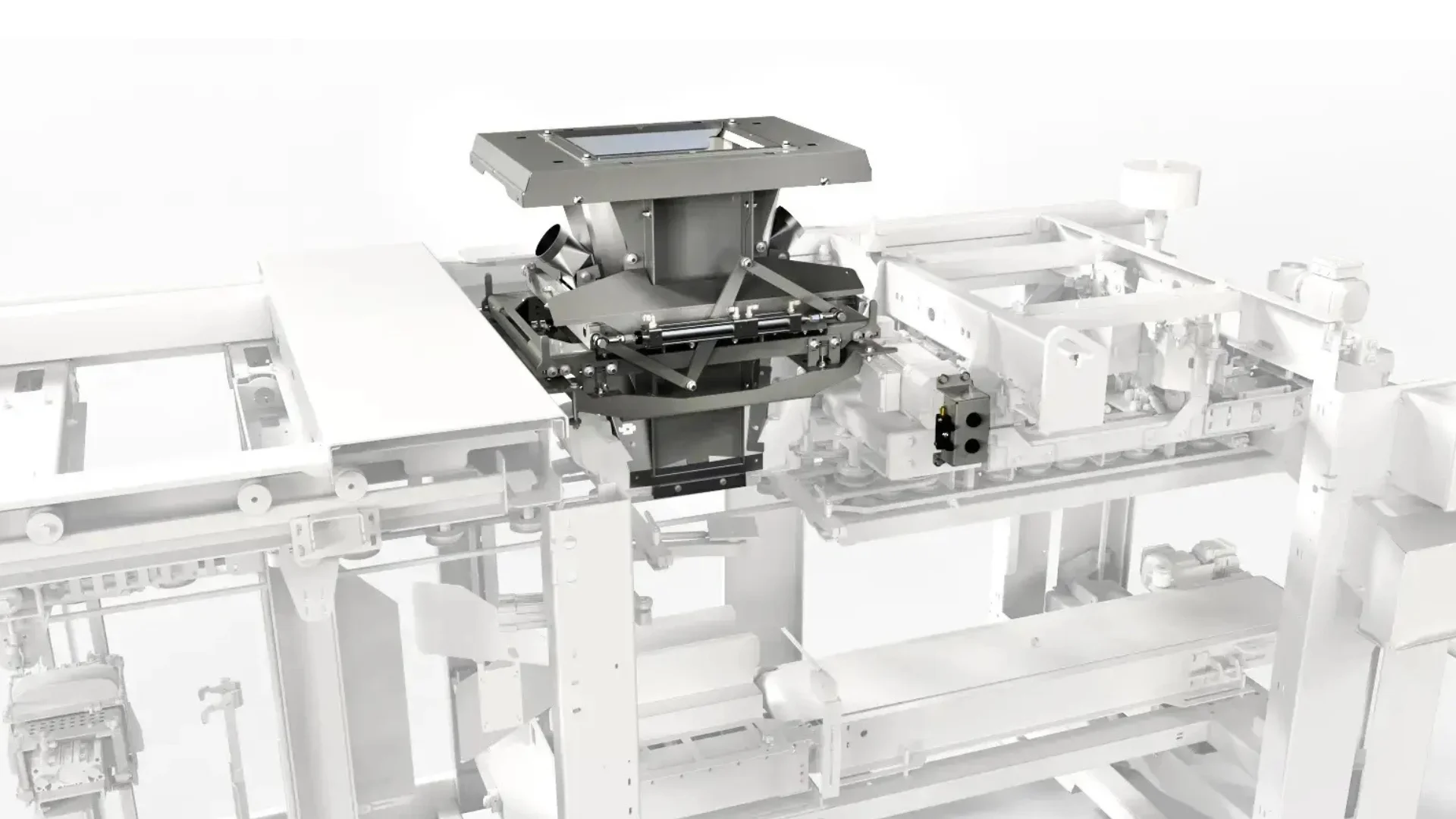
When to consider retrofitting
You need higher speed and throughputAs packaging technology advances, newer machines can offer higher speeds and greater throughput. However, when existing equipment remains a good fit for your operation, targeted upgrades may help close the performance gap without replacing the entire line.
In the same industry survey, 76% of end users surveyed said they were seeking increased speed and throughput through machinery retrofits. Upgrading key components can help boost production output and make better use of existing equipment, while avoiding the investment required for a full line replacement.
You need more flexibility
The industrial landscape is undergoing a significant shift. According to the 2026 PMMI report The Formulation Effect, manufacturers are navigating an era of "SKU proliferation" driven by increasingly complex product formulations.

For manufacturers, this can mean shorter production runs, more frequent product or recipe changes, and a greater need to adapt to evolving customer requirements, including new bag and case formats, as well as different pallet patterns. The report also points to growing demand for equipment that can accommodate product variability and support faster changeovers.
Targeted retrofits can help existing equipment accommodate these changes and reduce changeover times, whether by simplifying bag-format changes or enabling faster pallet-pattern transitions. The right upgrades can add flexibility to your line without the lead time and capital investment of a full system overhaul.
You are facing component obsolescenceObsolescence is a natural consequence of technological change. As equipment ages, mechanical, electrical, and software components can become unsupported, unavailable, or incompatible with newer systems. When an obsolete component fails, sourcing and replacing it often takes longer, increasing the risk of extended downtime.
A planned retrofit can help address this risk before a failure occurs. In an industry survey, 48% of end users said their organization had used a conversion kit to replace obsolete components with supported alternatives, rather than replace the entire machine. Depending on the equipment and the components involved, a retrofit can help maintain reliable operations while extending the usefulness of existing machinery.
You seek improved overall efficiency
Beyond specific goals such as greater throughput or improved flexibility, a retrofit offers a comprehensive boost to your daily operations. Modernizing critical systems allows you to address multiple performance pillars simultaneously:
- Reliability: Reduce unplanned downtime by replacing aging parts before they fail.
- Precision: Increase accuracy to minimize material waste and improve quality control.
- Sustainability: Lower energy consumption through more efficient drive systems and optimized processes.
- Safety: Update your machinery to current standards to protect your team and ensure compliance.
These improvements contribute to increased overall productivity and reduced operational costs. Ultimately, the goal is to transform an existing asset into a leaner and more efficient engine for your production floor.
A structured approach for your retrofit
1. Define the needs and validate the scope
We begin by discussing your needs and objectives and validate your equipment information. For a straightforward retrofit, a review with your team may be sufficient. If a closer inspection is needed, we can recommend an on-site assessment. A qualified field service technician will evaluate your equipment, with support from our engineering team as needed.
2. Engineer the solution
Drawing on our OEM and engineering expertise, Premier Tech can recommend retrofit solutions tailored to your needs. Depending on the project, this may include selecting compatible components, updating controls or software, and preparing the engineering information required to integrate the changes with your existing equipment.
3. Prepare and plan
A dedicated project manager will coordinate with your team to plan the work around your production schedule and prepare the required materials in advance. Components and modules are pre-assembled and tested at one of our facilities before delivery to your site. This preparation helps organize the installation and reduce the work required on your production line.
4. Install the retrofit
Our technicians guide and supervise the work throughout the installation. Some retrofit components are large or difficult to handle, so your team’s assistance may be needed with their installation, positioning, and cabling. Roles and responsibilities are coordinated with you during project planning.
5. Commission and verify operation
During commissioning, we test the new modules, adjust, and fine-tune software parameters as applicable. Once the retrofit has been verified against the agreed requirements, we provide the necessary training to help your team operate and maintain the upgraded equipment.


